Always

I was not yet eighteen when Daddy said he was selling the farm in Raymond. He wanted to use the money to expand into Little Rock. A business decision. A lot of people blamed the business world for taking away the sentimentality Daddy had always clung to. Certainly, it was that, but added to that, my brother’s illness changed us all.
At thirteen, my brother was hospitalized for the first time. An angel taught me to dance. Another angel said she liked me, like she liked me, liked me, like liked, like. A thing like that will change a boy’s life.
A year later, it did change my life. “Your little friend is dead.” I became a man in a sentence. When I was sixteen, Jimmy was in jail, and Daddy quit smiling for an entire year. I hadn’t smiled much since I was fourteen. It seems we both had a gauntlet to go through.
Pulling Jackson and Mississippi out of the brush fire that was the sixties, a lot of guys lost the sentimentality they once had. Ben Lampton died unexpectedly in 1979, Brum Day was rocketed up the chain of command. He went from the guy who dressed as Santa to make the neighborhood kids laugh to being the guy who wouldn’t marry because he couldn’t allow himself to love completely. Rowan Taylor drifted away from his wife and his children because Mississippi needed him and his time. Rowan became famous for never laughing. He did, you just had to listen. Before he died like my Daddy, my friend Suzanne listened to him laugh.
My father had been incrementally moving away from me, regrettable to us both, since I was three or four. He held onto sentimental ideas about “fatherhood” as long as he could, but something about what happened to Jimmy broke him.
Little Bird writes pretty plainly about mental health issues. She inspires me. She believes, as I believe, that talking about it openly and honestly helps both the people who suffer and their families—which is me, which is her.
Sometimes she asks me, “How can you be so faithful? How can you hold onto this for, what, fifty years now?”
“Always,” I said.
Sometimes we communicate based on the books we love. Severus Snape protected Harry Potter because he loved Lilly Potter, always. Promises made in love are transferable from one generation to another. In Little Bird’s case, it began with her grandmother, then her mother, and now her. If she has a daughter while I’m alive, it will transfer to her, or maybe even after I’m not alive. It is eternal. It is, always.
When I was young, schizophrenia became a new family member when it struck, slowly replacing the body that hosted it. The brother I had became a ghost. All I could see was the disease. When I was Little Bird’s age, and twenty years younger, I became Jason Compson, screaming about sending Benjy to Jackson, only Benjy was in Jackson, so was I. Our house became a mental ward.
I don’t think my father wanted that for me, but he couldn’t see my brother suffering anywhere else. I know he suffered. Even when he tried to kill me, I knew it was because he was suffering. I also knew, pretty loudly, that nobody really gave a damn about my suffering, so I quit talking about it and just became the nasty bastard in the family.
If there were a way for my brother to return, fully restored, not the man he became through the illness, I would say to him what Zorba the Greek said. “Hey, Boss, I have never loved another man the way I love you.”
Selling the Raymond Place and moving into Little Rock was a brilliant business move. Little Rock became our most successful commercial furniture store. The Tyson Foods contract was not only our largest contract furniture installation, but it was also, and is, the largest Herman Miller installation in the world. All the bigwigs from New York came down to marvel at it. There’s nothing I love more than Yankee assholes kissing my ass because we made them money.
Daddy flew Guss Primos to Little Rock to see it all, and that became the design, the same colors and all, of Mirror Lake Plaza. The life insurance company that anchored that deal turned into a bust, but who cares? We got paid before that.
We sold the Raymond place to a family who used it as a fishing cabin. Being stupid, they didn’t keep up the termite inspections on the house, and it was lost. A log cabin built from the trees harvested to build Lazy Log Lake, the house was built by a retired Colonel and his wife. He even laid the sandstone fireplaces himself. All lost because of a bug.
Those guys sold it to a real estate developer, and Lazy Log Farm became six residential homes. Nice homes, but there was no more room for sheep, donkeys, or horses. Most of the time, I like sheep, donkeys, and horses more than people.
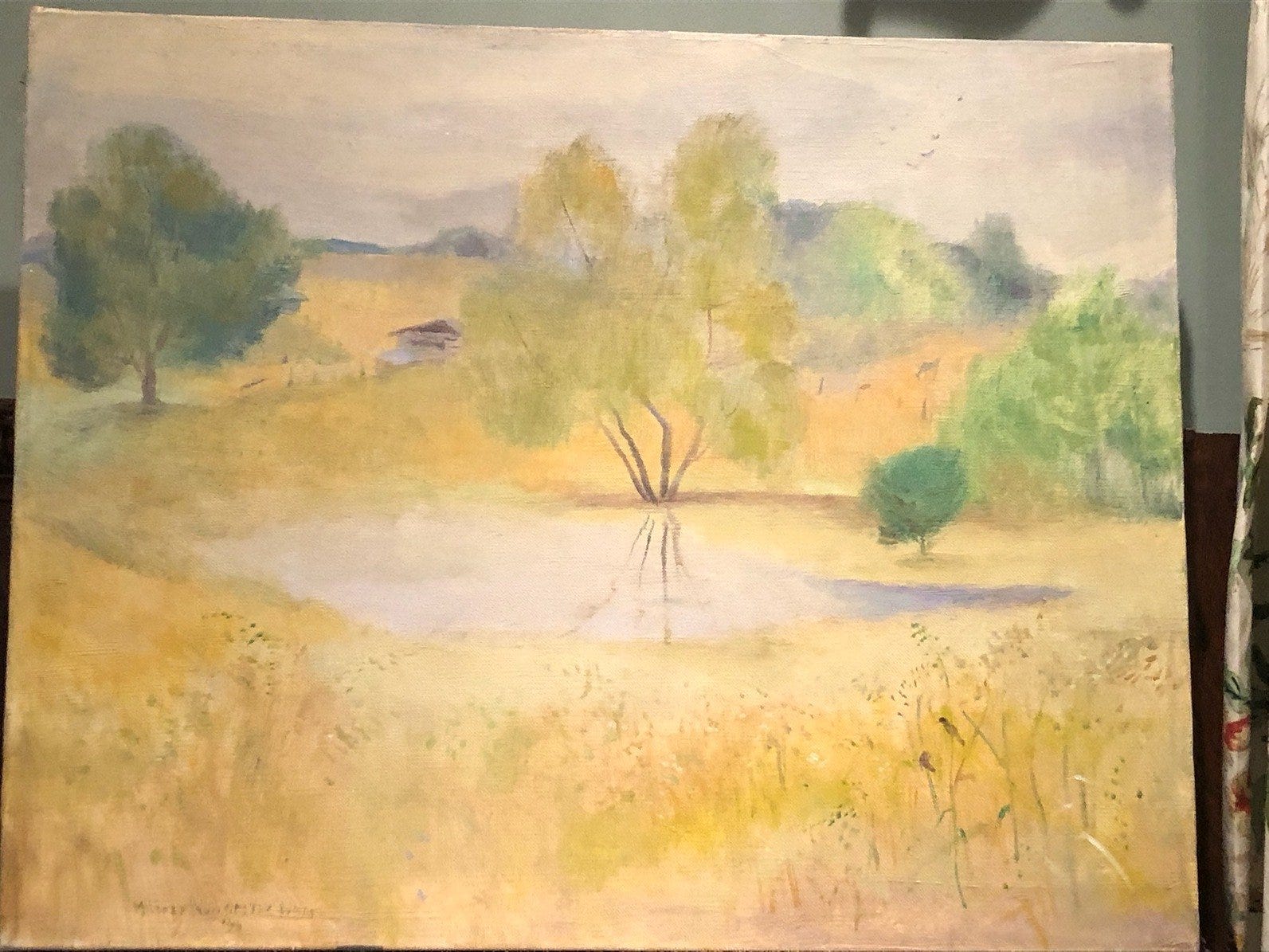
Selling the farm, the dreams started. Dreaming about the Raymond farm, I came to understand that it was my own mind evaluating itself and evaluating Mississippi. As I became weaker and sicker and approached the choice to live or die, the dreams about Raymond began including dreams about the people in Raymond, begging me to become what I was born to be. I have a lot of family ghosts in Rural Hinds County, including, at that point, my father, my mother, my grandmother, and my grandfather, on both sides, all the Bradys and McNairs, and all the Flowers’ Sisters. Maybe they were calling to me. Begging me in my dreams to become what I was born to be.
I feel such guilt about not being there when Little Bird was born. Her mother was so strong, and so together, and so not-at-all-needing-Uncle-Boyd that I figured I could slip into the background and nobody would notice. It didn’t work out that way. A promise is a promise.
Always.