Two Decades in Hell
How TW Lewis helped lead Mississippi into Camelot

In my stories, I refer to something I call “Mississippi Camelot.” It’s not something you'll find in any history book. Camelot was a time when Mississippi began to replace what was with what could be. A period of unprecedented economic growth, Mississippi began to aggressively shake off and escape the legacy of hate that formed it, as described by William Faulkner and others.
Camelot stretched from the early seventies until the late nineties. Some people celebrated when Walmart moved into their town. I did not. I knew what it was doing to businesses based in Mississippi. Camelot was largely in ashes when the new century came. Katrina washed those ashes into the Gulf of Mexico. It was over.
Before the decades of Camelot, there were two decades of hell where the creative and destructive forces of Mississippi met head-on and took no prisoners. One would win, and one would die. It was a time of murders, riots, assassinations, arson, bombings, and threats, especially threats. Threats that meant something because people were actually dying.
I was born days after Medgar Evers was killed and days before Ed King was nearly killed, but his face was scarred for life, and a week before Eudora Welty wrote “Where Is That Voice Coming From?” on typing paper from the Office Supply Company, where my father worked.
Eudora Welty sat in front of my grandparents in church. Ed King toward the center. Methodism in Mississippi shaped me. A stuttering child, I could barely speak, but I could see, and I could listen.
Shortly before I was born, Ed King, a firebrand minister from Vicksburg, led attempts to challenge the segregation policies of Jackson Methodist churches. Dr. William B Selah, who had held the pulpit at Galloway for the past forty years, said from the pulpit that he could not minister to a church that rejected God's children and stepped down.
When I was baptized the Sunday before New Year’s, a new minister signed the certificate. The associate pastor was a young Clay Lee. A promising young pastor, the conference moved Clay out of the hotbed of controversy in Jackson to the sleepy little town of Philadelphia, not knowing the murders of Goodman, Schwerner, and Chaney were months away. It seems he was not fated to stay out of the fire.
This was a time of great spiritual testing and worry among Mississippi Methodists. Famous for coffee and casseroles, Methodists are known as the most moderate of Protestants. How did we end up in the middle of this fire?
This was a time when my father's childhood Methodist Youth Group and college friends led the way, despite their youth, through the valley of the shadow of death.
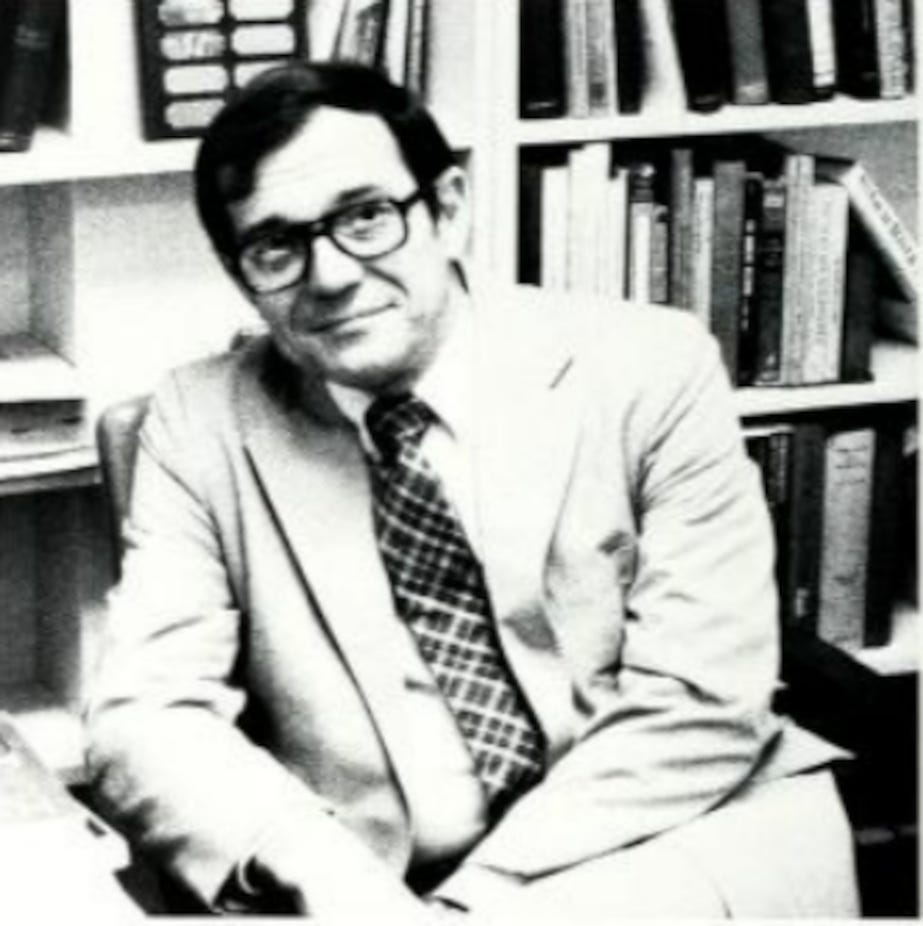
TW Lewis was younger than my dad, but my dad adored him. TW was a sports standout at Millsaps and won nearly every leadership award. He emerged as a young minister at a time when young ministers were both leaders and targets.
A few years ago, they had a symposium at Millsaps where TW Lewis and Ed King told of their experiences. Most of the stories I had heard before, many times, growing up Methodist in Mississippi. One story I had never heard before.
A young rural minister in Mississippi, TW Lewis, took a position in support of voting rights in Mississippi. In those days, he would be accused of encouraging negros to vote, mainly because he did. These days, kinder words like “African” are used. In those days, words much less kind than “negro” were used.
Telephone and other threats made it clear that not only TW, but his young family were in mortal danger. That night, TW moved his small children to the center of the house so they'd be safe from bricks or bullets coming through the windows. Little Tom and Catherine slept on pallets hastily made on the floor, while their dad and his friends sat on the porch with shotguns across their laps.
TW was among the gentlest creatures I ever knew. The idea of him taking up arms to protect his family shocked my system. TW was my dad's childhood friend; his children were mine. The idea that somebody might threaten the life of a baby, snot-nosed Tom Lewis, filled me with pity, fear, and rage—especially rage. Fifty-something years after the fact, I could feel hot tears on my cheek.
TW decided that his calling was to teach. Getting his terminal degree, he returned to Millsaps as “Professor Doctor Lewis,” Teaching religion and Bible. He was not done with changing Mississippi.
At the Southern Book Festival, Eudora Welty was scheduled to have a reading of her work. Integrated audiences were illegal in Mississippi. People have this impression of Miss Eudora as a sweet old lady. That’s what she wanted you to think. She was a lioness and a warrior.
There are disagreements about who knew what regarding what happened next. My suspicion is that many people knew, but pretended they didn't, but didn't move to prevent it. When asked, my father always said, “I don't remember.” Which means “Mind your business, Boyd.” It would not have been like him not to know. Lance Goss swore he didn't know, but Lance was known to lie when it came to controversy, a fact you wouldn't guess if you read the letters to the editor in the Clarion Ledger regarding his production of “Cat on a Hot Tin Roof.”
TW Lewis and Charles Sallis absolutely did know. While Eudora Welty was allowing a small group of Tougaloo students into the chapel where she was speaking, Lewis and Sallis were patrolling Millsaps, literally shaking the bushes for anyone who might threaten Miss Welty. There were rumors. That anyone might threaten her is something more than alien to me. At that moment in the universe, that was Mississippi.
Mississippi audiences were now Integrated. Jim Crow was still the law, but it was not holding up in court. I think Miss Welty considered the possibility that pictures of her getting arrested might appear in Life magazine. Not much got by her. It might have been part of the plan. Photographs of a renowned author getting arrested for allowing young black students to hear her recite might help move things along in Mississippi.
Months later, Lance Goss opened his doors to the same group of Tougaloo students for his production of “My Fair Lady.” Again, he denied any sort of radical ideas. “I didn't want them to make any noise if we kept them out.” He protested, but theatrical productions in Mississippi were now integrated as well. TW and Miss Eudora sat in the audience, as they often did.
The needle was moving on Mississippi racial policy, but slowly. Recently, a professor involved in a tenure fight at Millsaps made the point that TW got away with whatever he wanted. I wrote in a reply that it wasn't quite that way.
There came a time when there was a police shooting at Jackson State. TW and other professors and some Millsaps students planned a protest.
At that point, the rule at Millsaps was that the board chairman had to be a minister. Like his uncle before him, my dad was treasurer —the highest post a layperson could hold. Eventually, they just asked Dad to be chairman, despite the fact that he was a heathen.
TW called to tell dad of his plans. Daddy was unsure. If anything untoward happened to the students, the school could be responsible. They discussed it, not only as gentleman, but childhood friends. Had they not come to an agreement, I feel certain TW would still have done it, but they agreed, in principle.
When the protest happened, Daddy watched from the roof of the Office Supply Company and then from the top floor of the First National Bank building.
He could clearly see agents from the State Sovereignty Commission photographing license plates and students’ faces. Everybody in Mississippi was afraid of the Mississippi Secret Police, authorized by the legislature. Years later, when the commission files were released, it was clear they were actually idiots the entire time.
The file on my Uncle Boyd had some Chamber speeches, and the report of a black man selling Bibles from the trunk of his car, who said they couldn’t arrest him because he worked for Boyd Campbell. I had hoped it was the legendary Jim Woodson, but it was just a random dude nobody knew.
Idiots or not, they posed a threat to Mississippians who challenged Jim Crow, even though the number of those not afraid grew daily. Sometimes, a perceived threat is worse than a real one.
When I got to Millsaps, Lee Reiff and TW Lewis split teaching the bible. Their strategy was not to proselytize, but to teach current biblical scholarship and leave matters of faith up to us. It seems to have worked. Not only did they graduate generations of ministers, but generations of Christians as well. That’s still how I mostly study the Bible. When Lee Reiff started talking about the different documents and sources that made up the book of Genesis, I knew I wasn't in Kansas anymore.
When I got to TW's New Testament class, I'd been struggling with the letters from Paul for a while. I considered him morally and logically inconsistent, and inconsistent with what Jesus said. Starting with Galatians, Dr. Lewis gave me things to think about. I began to dissect “all one in Christ Jesus,” Mentioned in his letter to the Christians at Galatia.
Digging all the way down into the actual Greek words that were written as Paul spoke. “Pantes gar hymeis eis este en Christo Iesou.” I began to decipher and understand Paul. I’m still working on it. At the end of the letter, he mentions that he wrote down the closing using his “large and imperfect characters,” signalling a switch from using a scribe to writing himself. This became the cornerstone of my understanding of Paul.
In his ninth decade, my friend TW rests with the nurses and nuns of St Catherine's as I once did. My stay was just for rehabilitation. I fear his is not.
I would rather not complete my spiritual journey without TW. I already lost John Corlew and Weir Conner that way. Though his voice is weak, his words are strong.
If you must rest, brother Tom, I will go with you as far as I can. One day, you'll leave my world and be reunited with your legion of friends, including Daddy and Miss Eudora and your beautiful wife.
I love you.